SUV vs Sedan: The Better Choice for Oman Roads
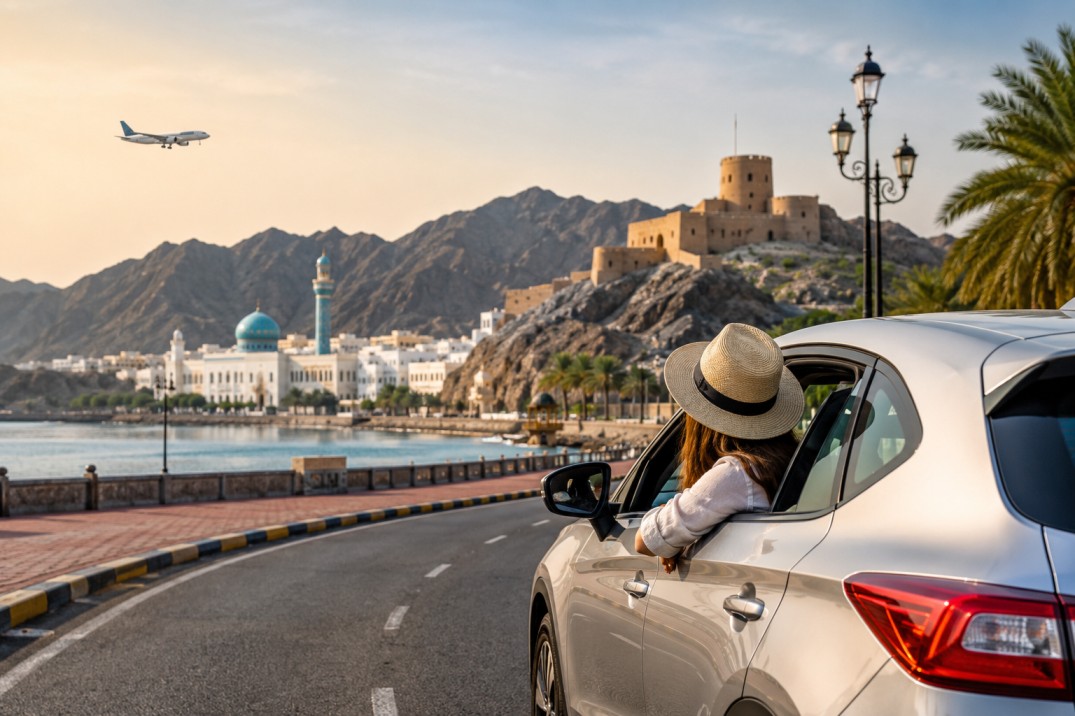
Traveling through Oman brings wide highways, winding mountain roads, and vast desert stretches. The right choice of vehicle can, in fact, make or break your experience. Many first-time visitors wonder whether to Rent a Sedan in Oman or Rent SUV in Oman. Both options offer unique advantages, yet their usefulness depends on travel style, terrain, and group size. Understanding the differences ensures a comfortable and safe journey, letting Oman’s roads feel inviting rather than challenging. The right vehicle choice can turn long drives into moments of relaxation and discovery.
Comfort and Space
Sedans are often praised for their smooth, stable rides on paved roads. They are compact, easy to park, and economical on fuel. For city travel, shorter trips, or business travel, sedans feel effortless. They offer sufficient seating for small groups and moderate luggage.
On the other hand, SUVs provide extra room for passengers and belongings. Families or travellers with camping gear, photography equipment, or sports items find SUVs more accommodating. The additional space contributes to comfort on longer journeys and allows travellers to spread out, making each drive more pleasant. Choosing between a sedan and an SUV comes down to your daily travel needs, the size of your group, and personal comfort preferences.
Handling Oman’s Terrain
Oman’s roads vary greatly, from smooth highways along the coast to steep, winding mountain passes in Al Hajar and sandy tracks in the deserts. Sedans perform well on flat, paved surfaces but can struggle on steep or uneven paths. Gravel roads, sharp turns, or sudden inclines may feel intimidating in smaller vehicles.
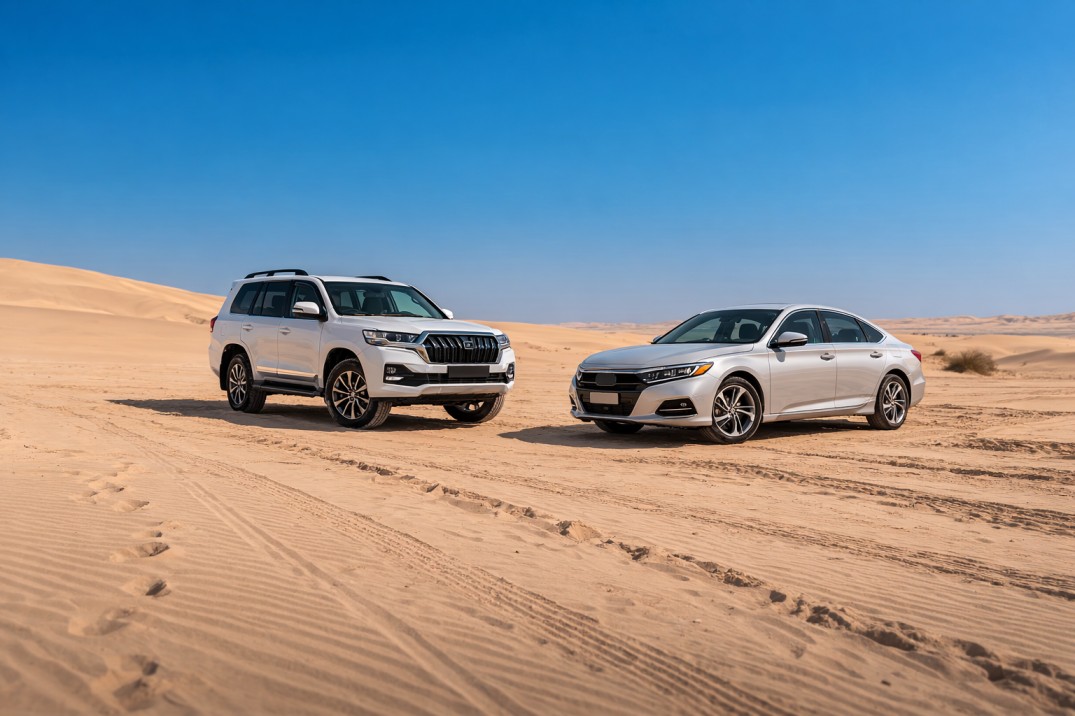
SUVs, with their higher ground clearance and robust suspension, handle rough conditions more confidently. Tourists planning mountain excursions, desert adventures, or visits to wadis benefit from the stability and traction an SUV offers. Meanwhile, sedans remain ideal for highways, towns, and scenic drives along smooth roads, making them efficient for casual travel without the need for off-road capability.
Fuel Efficiency and Cost
Fuel efficiency is a major consideration for many travellers. Sedans typically consume less fuel than SUVs, which makes Rent a Sedan in Oman a budget-friendly choice for long trips or city touring. Sedans allow travellers to cover more kilometers at a lower cost, especially for those planning extended drives along Oman’s highways.
SUVs, while offering versatility and space, tend to use more fuel due to their larger engines and heavier build. Rental costs for SUVs are usually higher, reflecting their size and capabilities. Travelers must weigh the extra comfort and off-road functionality against the additional cost and fuel consumption to find the best fit for their journey.
Passenger Capacity
For small groups or couples, sedans offer adequate space without feeling cramped. They can comfortably accommodate up to four passengers with luggage. However, larger families or groups carrying outdoor gear may feel limited in a sedan. SUVs offer more seating options and ample cargo space, making them perfect for family trips or adventure excursions. A vehicle that suits passenger numbers ensures everyone travels comfortably and safely over long distances, reducing fatigue and stress.
Safety Features
Modern sedans and SUVs come equipped with essential safety features, including airbags, ABS, and stability control. SUVs have an additional advantage due to their higher driving position, offering a commanding view of the road. This can improve awareness of other vehicles, pedestrians, or obstacles, especially on uneven or desert terrain.
Sedans, being lower to the ground, often provide better handling during sudden maneuvers or tight cornering. Both vehicle types have their strengths, and understanding them helps travellers feel secure in varying driving conditions, from highways to mountain passes. Safety is about preparation, awareness, and choosing a vehicle that suits the planned route.
Ease of Driving
Sedans are generally easier to manoeuvre, especially in tight city streets, narrow lanes, and crowded parking areas. Their compact size and responsive handling make urban driving stress-free, ideal for visitors who spend most of their time in towns or cities.
SUVs, while larger, provide confidence on challenging terrain and can handle uneven roads or sand tracks with ease. Modern SUVs often include parking sensors, cameras, and advanced driving aids to simplify handling. First-time drivers in Oman should consider which vehicle feels more natural to operate, as comfort behind the wheel directly affects the overall experience.
Luggage and Equipment
For trips involving camping, hiking, photography, or sports, SUV cargo space provides a clear advantage. Extra room avoids constant rearranging or overloading, allowing travellers to carry everything needed for adventure.
Sedans are suitable for minimal luggage or short trips around the city. Evaluating the type and amount of gear before renting ensures that the vehicle matches the travel plan. Rental services often guide to pair luggage and passenger needs with the right vehicle, giving travellers peace of mind and avoiding surprises on the road.
Weather Considerations
Oman’s climate varies across regions and seasons. Coastal areas can be humid, deserts hot and dry, and mountain areas cool with occasional rain. SUVs handle slippery roads or sandy tracks better, making them suitable for mountain trips or rainy conditions. Sedans remain comfortable under normal highway and city conditions. Tourists planning off-road adventures or seasonal excursions benefit from the reassurance an SUV provides. Considering weather in advance prevents last-minute adjustments and ensures smoother journeys.
Cost vs. Convenience
Budget-conscious travellers often lean toward sedans, enjoying fuel efficiency and ease of handling without compromising comfort for city or highway drives. Those prioritizing flexibility, extra space, and off-road capability frequently prefer SUVs, despite higher fuel use and rental costs. Evaluating the balance between cost and convenience helps travellers choose a vehicle that enhances the experience rather than complicates it.
Making the Right Choice
The choice between a sedan and SUV depends on several factors: travel route, number of passengers, luggage, and terrain. Sedans are perfect for those prioritizing economy, city driving, and highway efficiency. SUVs are ideal for families, adventure seekers, and anyone planning to explore mountains, wadis, or desert tracks. Professional rental services can help travellers make informed decisions by matching the vehicle to trip plans, passenger numbers, and luggage needs. The right choice transforms Oman’s diverse roads into enjoyable journeys rather than logistical challenges.
Taking the time to assess these factors ensures the trip is memorable, safe, and smooth. Whether navigating bustling cities or remote mountain paths, choosing the correct vehicle makes all the difference.
FAQs
1.Which is cheaper to rent in Oman, an SUV or a Sedan?
Sedans are generally cheaper to rent in Oman due to smaller size, lower fuel consumption, and lower insurance costs compared to larger SUVs with higher rental fees.
2.Which vehicle is best for family Trips?
SUVs are best for family trips, offering spacious interiors, larger cargo capacity, and comfortable seating, making long drives with children and luggage more manageable and enjoyable.
3.Should tourists rent an SUV for mountain trips in Oman?
Yes, tourists should rent an SUV for mountain trips in Oman. Higher ground clearance, stable suspension, and better grip handle rough, uneven terrain safely and comfortably.
4.What factors should I consider before renting a car in Oman?
Consider terrain, passenger numbers, luggage, fuel efficiency, rental cost, comfort, driving experience, seasonal weather, and off-road requirements when choosing between a sedan or SUV in Oman.
Related Blog

Renting a car in Oman: everything you need to know
Benefits of Renting a Car in Oman vs Using Public Transport in Oman

Essential Checks Before Renting a Car in Oman
Everything You Need to Know About Car Rental at Muscat Airport

Self-Drive vs Chauffeur-Driven Cars in Oman: Which Is Better?
Best Season to Visit Oman: Weather, Climate & Travel Tips

Common Mistakes to Avoid on Your First Self-Drive Trip in Salalah

A Quick Checklist Before Returning Your Rental Car in Oman
Why SUV Rentals Are the Best Choice for Exploring Oman